
Mercedes-Benz EQE range, battery and charging
The Mercedes-Benz EQE is an electric sedan, rated at 526–639 km on the WLTP cycle, with a battery of 91–96 kWh, and a peak DC rate of 170 kW. Every version is priced below, and the figures say which test cycle they come from.
- WLTP range
- 639 km
- 526–639 km across 5 versions
- The manufacturer's WLTP figure, not a test we ran.
- Battery size
- 96.1 kWh
- 91–96 kWh across the versions
- The size of the tank. Bigger means more km between stops.
- Fastest charge
- 170 kW
- 10–80% in 29 min
- How wide the hose is at a DC fast charger.
- Plugs it uses
- CCS2
- Type 2 at home and slow posts
- The shape that has to fit the socket.
- Price from
- A$135,200
- to A$214,900 across 5 versions
- List price before on-road costs, as the maker quotes it. It is the cheapest version, not necessarily the one the other three cards describe.
The range card is the maker's WLTP figure for the longest version. The battery card spans every version, the charge card names the peak, the plugs are the inlets the catalogue has verified, and the price is the cheapest list price — so the cards can describe different cars. Nothing below quietly mixes them.
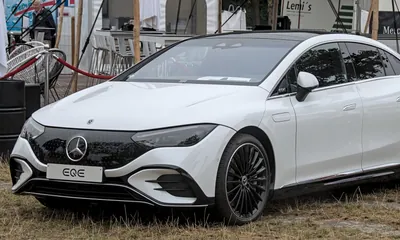
Sedan · MY26 · RWD / AWD
Photo: a community upload held with the specifications, not a manufacturer press image.
5 seats. 430 L of boot space. The figures on this page are the maker's, reviewed by the catalogue's community.
Start here
Six terms, in plain words
None of this needs a physics degree. Each term on the sheet is one idea, and here they are in the order they turn up.
WLTP
A score from one official test.
The laboratory cycle behind the range figure. It exists so two cars can be compared on the same test — not so a trip can be predicted. Wind, hills, a loaded boot and 110 km/h all use more than the test did.
kWh
The size of the tank.
A kilowatt-hour is a unit of energy, so a battery's kWh is capacity rather than distance. A bigger pack holds more of it and goes further in the same car.
kW
How wide the hose is.
A kilowatt is a rate: energy per second. The same battery fills from a 2.4 kW wall socket or a 350 kW highway post — as long as the charger and the car both allow it.
AC and DC
Two kinds of electricity.
AC is the wallbox at home and the slow post in a car park. DC is the fast charger on a highway stop, which does the conversion in the station instead of in the car.
Taper
Why the last 20% is slow.
Packs accept full power in the middle and slow right down past 80% to protect the cells. That is why a road-trip stop is usually 10% to 80%: the last fifth can take as long as the first half.
Drive-away
The price with the paperwork in.
A drive-away figure includes the on-road costs a list price leaves out — registration, stamp duty and dealer delivery. They differ by state, so it is a guide rather than a quote.
Range
How far can it go on one charge?
The Mercedes-Benz EQE is rated between 526 and 639 km on the WLTP cycle, depending on the version.
Two numbers, and they are not the same number. The WLTP figure is the one on the sticker: a laboratory cycle, run the same way for every car, which is what makes two cars comparable. The estimate is what the catalogue's community reckons the car does in traffic, in weather, with the air conditioning on — 400–575 km for this car, where the lower end is the motorway figure.
In 2026, the Mercedes-Benz EQE is rated between 526 km and 526 km on a full battery, depending on the version.
AMG 53 4MATIC+
526 km
Bars compare versions of this car with each other, never this car with another, and a version the source has no figure for is left out rather than drawn at zero. Version names are the catalogue's own, so a badge sold across several model years appears in each of them. Figures are WLTP kilometres on the manufacturer's test cycle — a lab score, not a prediction of your trip.
Charging
How long does a charge take?
A 10–80% fast stop takes about 29 minutes at a charger that can deliver the car's peak, and a full charge on a 7 kW home charger takes about 15 hours.
Three things decide it, and the slowest one wins: what the charger can supply, what the car will accept, and how much the battery wants at that moment. Pick a charger and move the sliders, and the answer changes with you.
Your charge
- Time at this charger
- 25 min
- Cost
- A$30.35
- Energy
- 57.7 kWh
About a coffee break. The session draws about 139 kW on average — a peak figure would be a promise the last part of the charge does not keep.
A DC charge loses about 5% at the meter, so the bill is for 60.7 kWh.
Times use the 96.1 kWh battery and 170 kW DC peak from the 300 version, and scale from its 29-minute 10–80% figure. Above 80% the estimate assumes a much slower rate; cold batteries and shared chargers can be slower still.
The charger
2.4–350 kW
A household outlet gives about 2.4 kW; a highway post 150–350 kW. The site's rating is a ceiling, not a promise.
The car
22 kW AC
The car takes no more than its own limit — 170 kW on DC, 22 kW on AC. A bigger charger cannot change that.
The battery
slower past 80%
Above 80% the pack asks for far less power to protect the cells, which is why trips stop at 80%.
The plug
Which plug fits this car?
Two shapes matter: the one on the car and the one on the post. The AC plug covers home charging and the slower public sites; the DC plug is what a longer trip needs.
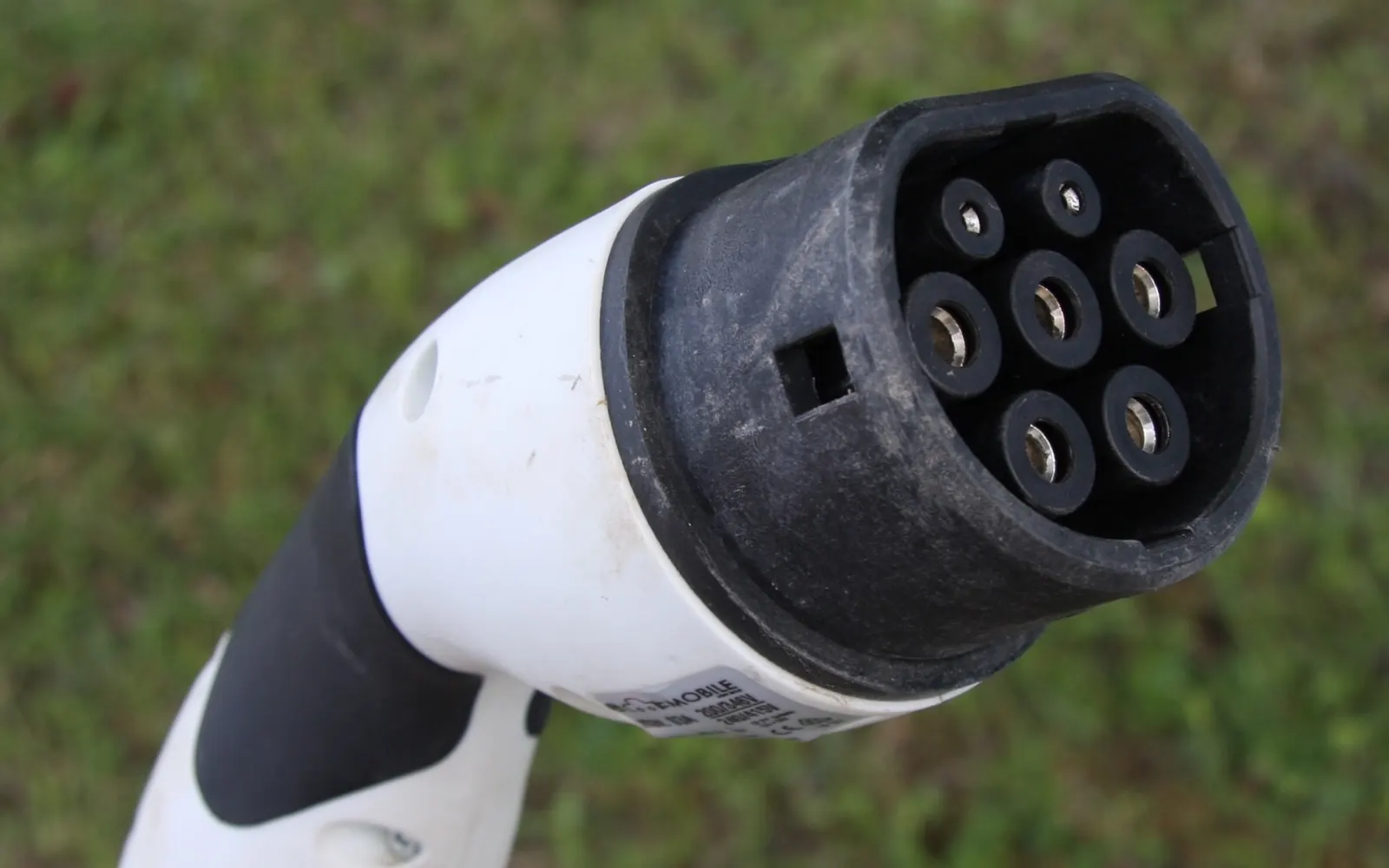
Type 2
AC chargingIEC 62196 Type 2 · Typically 3.7–22 kW
Type 2 is the AC plug on almost every electric car sold outside North America. At public stations it is usually an AC charger, and at a caravan park or motel it may be the socket you plug your own cable into.
Where you meet it: destination charging while parked.
Photo: D-Kuru · CC BY-SA 4.0

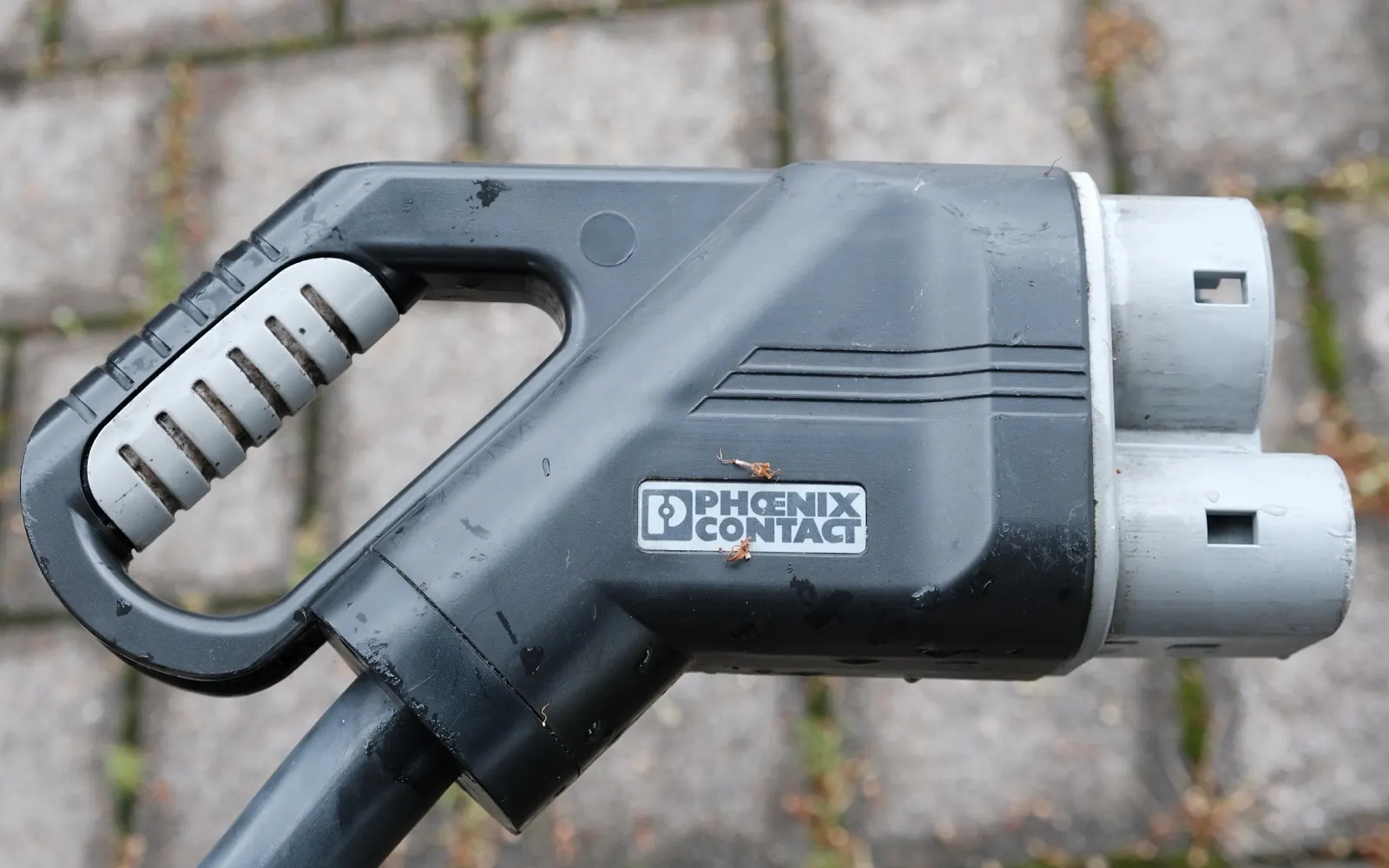
CCS2
DC chargingCombined Charging System Combo 2 · Typically 50–350 kW
CCS2 is the DC fast connector on most electric cars sold outside North America. It keeps the Type 2 shape for the AC pins and adds two DC pins underneath, so a CCS2 socket can also accept a Type 2 plug.
Where you meet it: fast charging on a longer trip.
Photo: Danilo Bargen · CC BY-SA 4.0

These are the inlets this catalogue has verified for the Mercedes-Benz EQE, from the EV Database — Mercedes-Benz EQE SUV 300 (MY23). They are not inferred from the market: a car sold with more than one plug is listed with the ones it actually has. Where the source is a European-market page, it describes the same EU-spec build Australia imports.
Cost
What does a charge cost?
Charging is priced by the kilowatt-hour, like electricity at home. The directory's median tariff is A$0.50 per kWh — the middle of the prices Australian networks actually list, not a quote for any one station.
At that median, filling the 96.1 kWh battery from empty at a DC post bills about A$50.58. A 10–80% stop, the usual road-trip habit, moves about 70% of it and bills about A$35.41. Type your own price into the planner above to see your number instead.
Both figures are metered energy, not battery energy: a DC post puts roughly 95% of what it draws into the pack, so the bill sits slightly above battery × price. Session fees, idle fees and parking are outside both. The cost to charge page has that median state by state, with the sample each one rests on.
Sources
Australian figures from the October 2026 data build. WLTP range, battery and charging figures are the maker's, reviewed by the catalogue's community — not an independent test. Prices are list prices before on-road costs. How these sources are chosen, and what a figure here never claims, is on the methodology page.
Full charge
A$50.58
At A$0.50 per kWh at a DC post, charging losses included.
10–80% stop
A$35.41
The usual road-trip stop: enough charge to keep going.
Cheapest network median
A$0.38
AGL EV Charging, per kWh — the lowest network median with a comparable sample.
Priced stations
828
Stations in the directory that publish a per-kWh tariff.
The versions
Every version, priced
One row per version the maker sells. The battery changes between them, and sometimes the range does too — the long-range version and the performance version are the same car with different cells and motors. The model year column is the maker's own label for the specification, and a version sold for several years names all of them.
Starts at
A$135,200
300, MY24–MY25.
Top version
A$214,900
AMG 53 4MATIC+ — the dearest version listed.
Versions priced
5
5 versions in the catalogue, across 3 model years.
Per km of range
A$212
List price divided by the cheapest version's own WLTP range — before on-road costs.
| Version | Model year | WLTP | Est. range | Battery | DC | 10–80% | Price | Drive-away |
|---|---|---|---|---|---|---|---|---|
| 300Cheapest | MY24–MY25 | 639 km | 510–575 km | 96.1 kWh | 170 kW | 29 min | A$135,200 | A$144,000–A$156,000 |
| 350 4MATIC | MY24–MY25 | 558 km | — | 90.6 kWh | 170 kW | — | A$154,900 | A$165,000–A$180,000 |
| 500 4MATIC | MY24 | 590 km | — | 90.6 kWh | 170 kW | — | A$175,780 | A$188,000–A$206,000 |
| AMG 53 4MATIC+ | MY24–MY25 | 526 km | 400–460 km | 96.1 kWh | 170 kW | 32 min | A$214,900 | A$230,000–A$260,000 |
| AMG 53 4MATIC+ | MY26 | 526 km | — | 91 kWh | 170 kW | 32 min | A$214,900 | A$230,000–A$260,000 |
Est. range is the catalogue's mixed-driving estimate, not a second test cycle — the higher figure is a gentle run, the lower one a highway at 110 km/h. Drive-away adds the on-road costs the list price leaves out, and registration, stamp duty and dealer delivery differ by state, so treat it as a guide rather than a quote.
Model years
Year by year
The same version can carry a different battery, a different range or a different price from one model year to the next, so every year is listed on its own. A version the maker sold across several years appears in each of them at the one price the catalogue records for it.
| Model year | Versions | Longest WLTP | List price from | Up to |
|---|---|---|---|---|
| 2026MY26 | 1 | 526 km | A$214,900 | — |
| 2025MY25 | 3 | 639 km | A$135,200 | A$214,900 |
| 2024MY24 | 4 | 639 km | A$135,200 | A$214,900 |
The cheapest version went from A$135,200 in MY24 to A$214,900 in MY26, up A$79,700. A year with no list price is left out of that comparison, and a newer version can add equipment or a bigger battery, so a higher figure is not automatically the same car costing more. These are list prices, before on-road costs; used values are not tracked here.
A model year is the maker's label for a specification, not a build date: a car first registered later can still be that specification. Announced years are versions the importer has confirmed but not yet priced, and they are marked rather than mixed in with what is on sale.
The numbers
Specifications
The full sheet, grouped as a buyer reads it. Every figure is the manufacturer's, as the catalogue's community recorded it; a row the source has no value for is left out rather than shown as a dash.
Performance
- Body
- Sedan
- Drive
- RWD / AWD
- Seats
- 5
- Power
- 180–460 kW
- Torque
- 950 Nm
- 0–100 km/h
- 3.5–7.3 s
Battery and charging
- Battery
- 90.6–96.1 kWh
- Chemistry
- NMC
- WLTP range
- 526–639 km
- Estimated real range
- 400–575 km
- Efficiency
- 142–202 Wh/km
- Peak DC
- 170 kW
- Peak AC
- 22 kW
- 10–80%
- 29 min
Dimensions and practicality
- Length
- 4,946 mm
- Width
- 1,961 mm
- Height
- 1,510 mm
- Ground clearance
- 82–127 mm
- Kerb weight
- 2,310–2,530 kg
- Cargo (rear seats up)
- 430 L
- Towing
- 750 kg
- Wheels
- 20 in
Buying
- Warranty
- 5yr unlimited km / 8yr 160,000km
- List price
- A$135,200–A$214,900
- Drive-away estimate
- A$144,000–A$260,000
The equipment
What it comes with
- Pano Roof
- Wireless Apple
- Wireless Android
- Heat Pump
- Air Suspension
- Ventilated Seats
- Massage Seats
- AWD
- Burmester
- HUD
- Rear-Axle Steering
Questions
Answers, briefly
Short answers first, the reasoning below each. Every figure here comes from the same data as the table above.
The full sheet is above. Where a figure is a test-cycle number the answer says so, because WLTP is not what the car will do on a highway. What the stations behind those figures look like is on the connector types page.
How far can a Mercedes-Benz EQE go on one charge?
Between 526 and 639 km on the WLTP cycle, depending on the version, and 400–575 km on the community's estimated real range. WLTP is a laboratory cycle with a warm battery and a gentle profile; a highway run at 110 km/h in winter lands nearer the estimate than the label.
How long does a Mercedes-Benz EQE take to charge?
The largest battery in the range is 96.1 kWh, and peak DC is 170 kW — a 10–80% session is about 29 minutes at a charger that can deliver the power. On AC it peaks at 22 kW, which suits an overnight charge rather than a trip stop. The peak is not the average: the curve tapers as the cells fill, so the last 20% takes longer than the first.
What does a full charge cost?
At the directory's median public tariff of A$0.50 per kWh, filling 96.1 kWh from empty bills about A$50.58; a 10–80% stop is about A$35.41. Both are metered energy, so the charging loss is inside them. Session fees, idle fees and parking are not, and a home tariff is usually far cheaper.
How much does a Mercedes-Benz EQE cost in Australia?
List prices run from A$135,200 for the 300 to A$214,900 for the AMG 53 4MATIC+, across 5 versions. Those are the maker's list prices before on-road costs; the drive-away estimate is A$144,000–A$260,000. A dealer's number will differ.
What is WLTP, and why is real range lower?
WLTP is the Worldwide Harmonised Light Vehicles Test Procedure: a laboratory cycle at a fixed ambient temperature, on a set acceleration profile, with the air conditioning off. It exists so two cars can be compared on the same test, not so a driver can predict a trip. Real consumption rises with speed, headwind, cold and load, which is why the efficiency figure in Wh/km is the number to multiply by the distance you plan to cover.
Which model years of the Mercedes-Benz EQE are listed?
3, from MY24 to MY26. The year-by-year table lists what each one included, because the same version name can carry a different battery or a different price from one year to the next. A model year is a specification label rather than a build date, so a car first registered later can still be that specification.
Has the Mercedes-Benz EQE gone up in price?
The cheapest version in MY24 listed at A$135,200; the cheapest in MY26 lists at A$214,900, up A$79,700. Those are list prices as the catalogue records them, with no inflation adjustment and no allowance for what a newer version adds — a bigger battery or more equipment in the later year means the higher figure is not automatically the same car costing more. Earlier years are still bought used at whatever the market asks, which this page does not track.
What plug does the Mercedes-Benz EQE use?
Mercedes-Benz EQE takes Type 2 at an AC charger and CCS2 at a DC fast charger. Type 2 is the plug on a home wallbox and on the slow public posts; CCS2 is the one a road-trip stop needs. The directory filters stations by plug, so you can go from this answer to the sites that accept it without reading a brochure.
Can a Mercedes-Benz EQE use Australian public chargers?
The directory records the connectors each public station carries and the network that runs it. This car's inlets are known — Type 2 for AC, CCS2 for DC — so the filtered directory is the list of stations that fit it. A station that lists neither plug cannot charge this car without an adapter, and whether a given adapter works is a question for the vehicle's handbook.
Side by side
Cars an EQE buyer also looks at
Picked from the catalogue by body style and WLTP range, because those are the two things a buyer is already filtering on. It is not a ranking and not a paid placement: every card carries the same figures this page does, from the same build.
Mercedes-Benz CLA EV
Sedan · RWD / AWD
From A$72,200 to A$91,300
- WLTP range
- 470–663 km
- Battery
- 58–85 kWh
- DC peak
- 320 kW
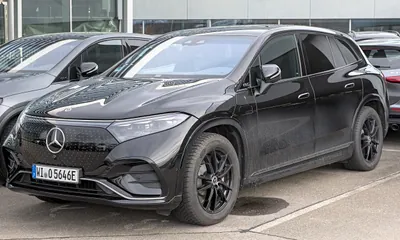 MY264 versions
Mercedes-Benz EQS
Sedan · RWD / AWD
From A$184,900 to A$327,075
- WLTP range
- 585–810 km
- Battery
- 108–118 kWh
- DC peak
- 350 kW
Mercedes-Benz C-Class EV
Sedan · AWD / RWD
From A$105,700
- WLTP range
- 753–800 km
- Battery
- 94–94.5 kWh
- DC peak
- 330 kW
The rest of the catalogue is at every electric vehicle sold in Australia, with the same range, battery and price figures for each. The stations these cars plug into are in the charging directory, and what each plug looks like is on the connector types page.