
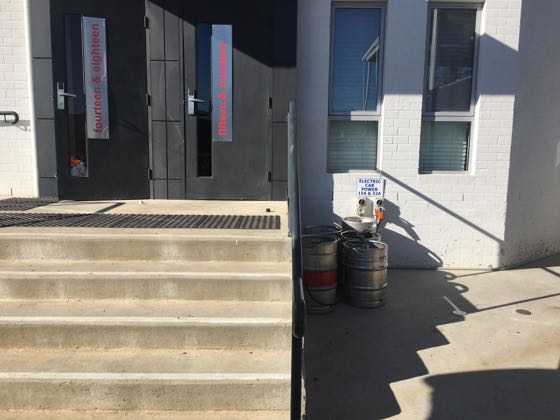
 AC
Crossroads Hotel
22 kW2 stalls
Narrabri, New South Wales
Three-phaseHousehold socket
Price not listedIndependent
130 public stations listing Household socket across 8 states and territories. 34 are open around the clock.
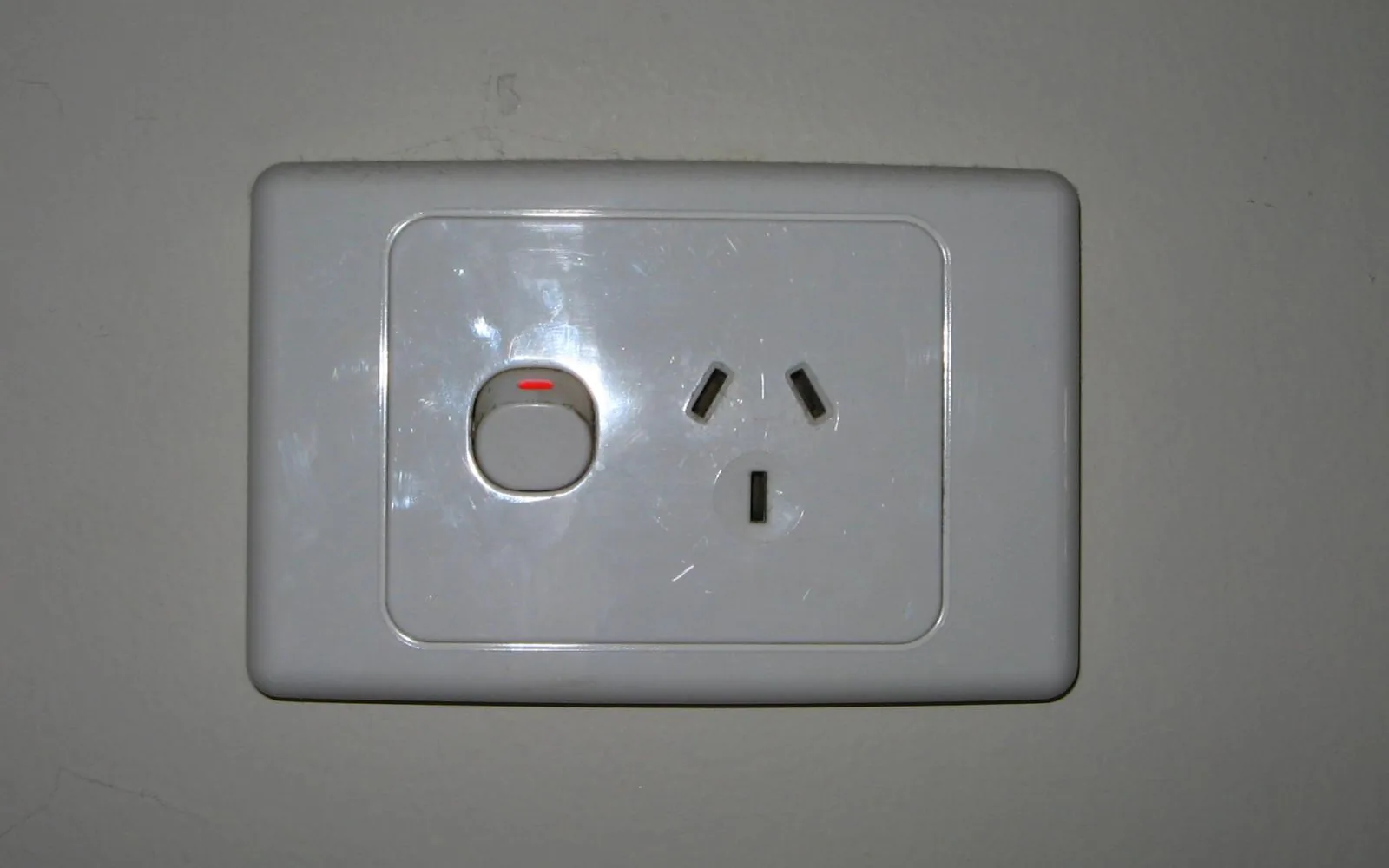
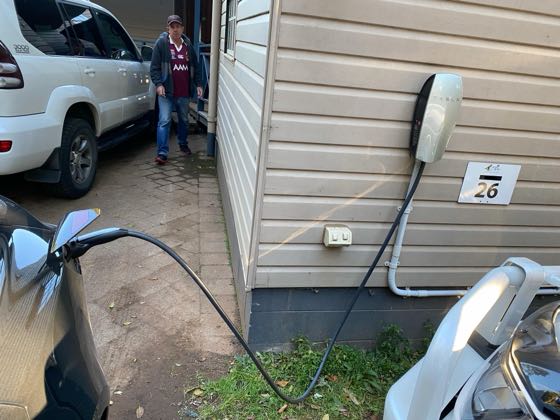
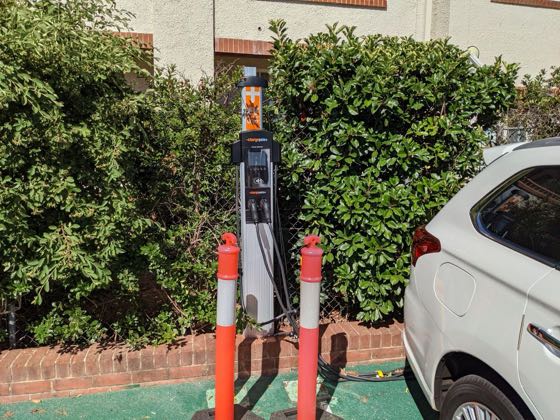
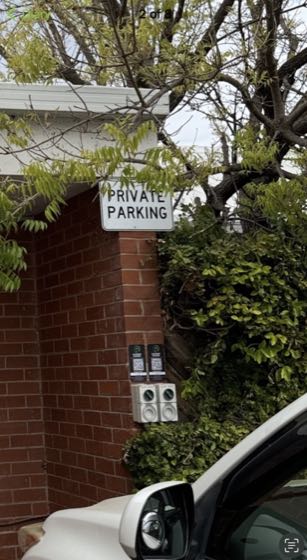
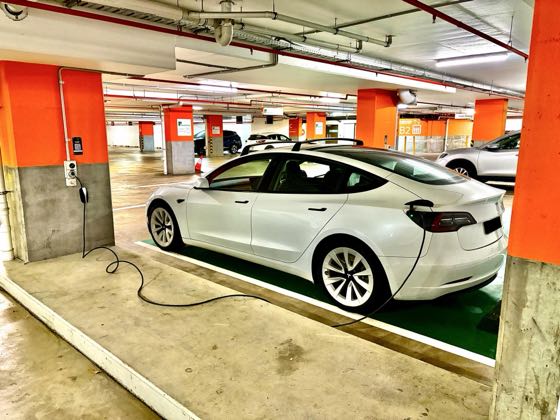
A household socket is the ordinary wall outlet, the one a portable charging cable plugs into with an adapter. It is the slowest way to charge in the directory.
A 10-amp circuit puts about 2.4 kW into the car, which is an overnight charge rather than a stop between towns. The socket is usually at a motel, a car park or a business that lets guests plug in.
Check that the circuit is not sharing with a heater or a kettle, and use a cable rated for a continuous 10 A draw. The directory records the outlet the report gives, and the listed power is an upper bound.
What the label means
A household socket is AC charging at about 2.4 kW. It is not a public fast charger, even when a station lists one.
The states and territories with the most stations listing Household socket. Each link opens that state's page; the directory keeps the connector filter for a narrower view.
The cities where these stations cluster. A link opens the city's own guide where one exists, otherwise the directory around that city.
Networks with the most
Household socket stations by place type
Counts are stations that list Household socket, not plugs. One station can carry several connector types, so a station can appear here and in another connector's count. Prices are the networks' own per-kWh tariffs and can change by time of day. An outlet count is the site's, not a count of charging stalls, so this page quotes stations rather than stalls. Counts from the directory data of October 2026.
ACNarrabri, New South Wales
Canberra, Australian Capital Territory
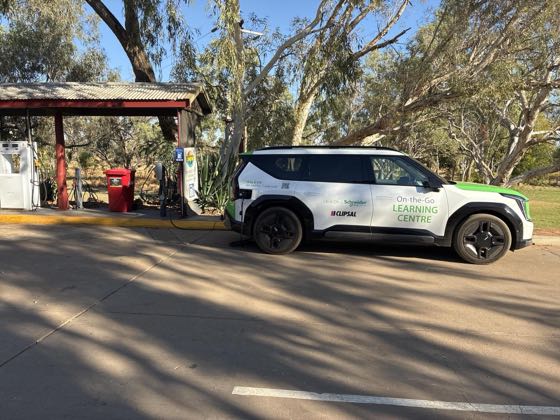 AC
Fitzroy Crossing, Western Australia
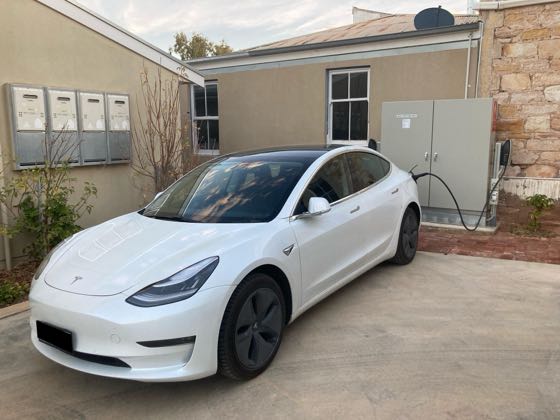 AC
Quorn, South Australia
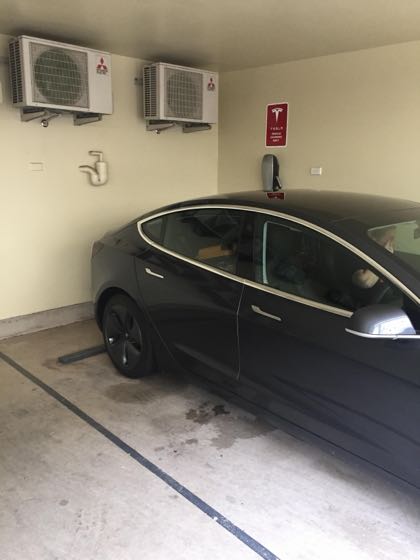 AC
Macksville, New South Wales
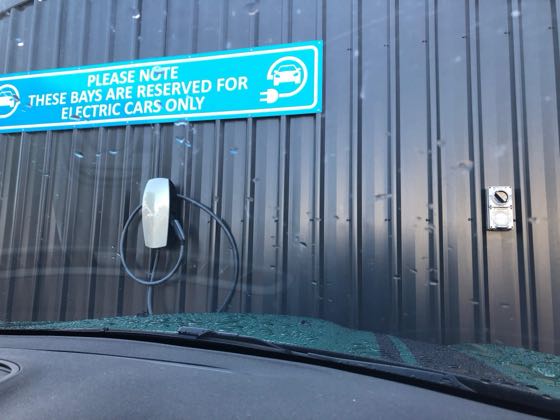 AC
Dubbo, New South Wales
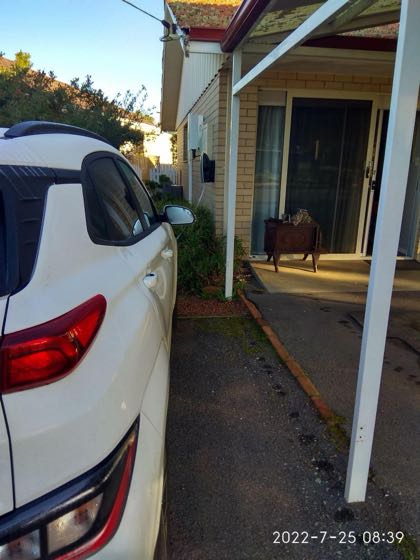 AC
Katanning, Western Australia
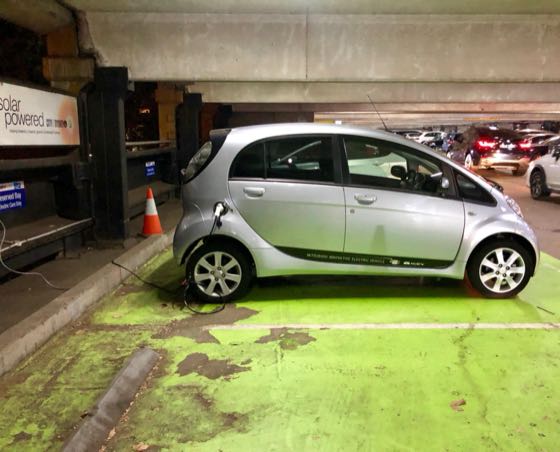 AC
Haymarket, New South Wales
 AC
O'Reilly, Queensland
 Charging
Braddon, Australian Capital Territory
 Charging
Lyneham, Australian Capital Territory
 Charging
St Leonards, New South Wales
Opens the directory with this connector applied — then filter by state, power, price and distance.
EVDIR lists 130 public stations with Household socket across 8 states and territories and 119 cities. The Household socket connection is AC, not DC fast. A station can still list another connector for faster charging.
A household socket is the ordinary wall outlet, the one a portable charging cable plugs into with an adapter. It is the slowest way to charge in the directory. A household socket is AC charging at about 2.4 kW. It is not a public fast charger, even when a station lists one.
EVs with a portable 10 A charging cable. Overnight charging where the car can sit. The connector a car accepts is fixed by its inlet; an adapter may be needed for a different standard, and support varies by vehicle and station.
Of the 10 stations that quote a per-kWh price, the median is A$0.30 and 9 charge A$0.50 or less. Networks set their own tariffs, and some add a session or idle fee.
No label guarantees a rate. 230 V, about 2.4 kW; the station and the vehicle negotiate the actual charge. Check the station's peak power in the directory before relying on it for a quick stop.